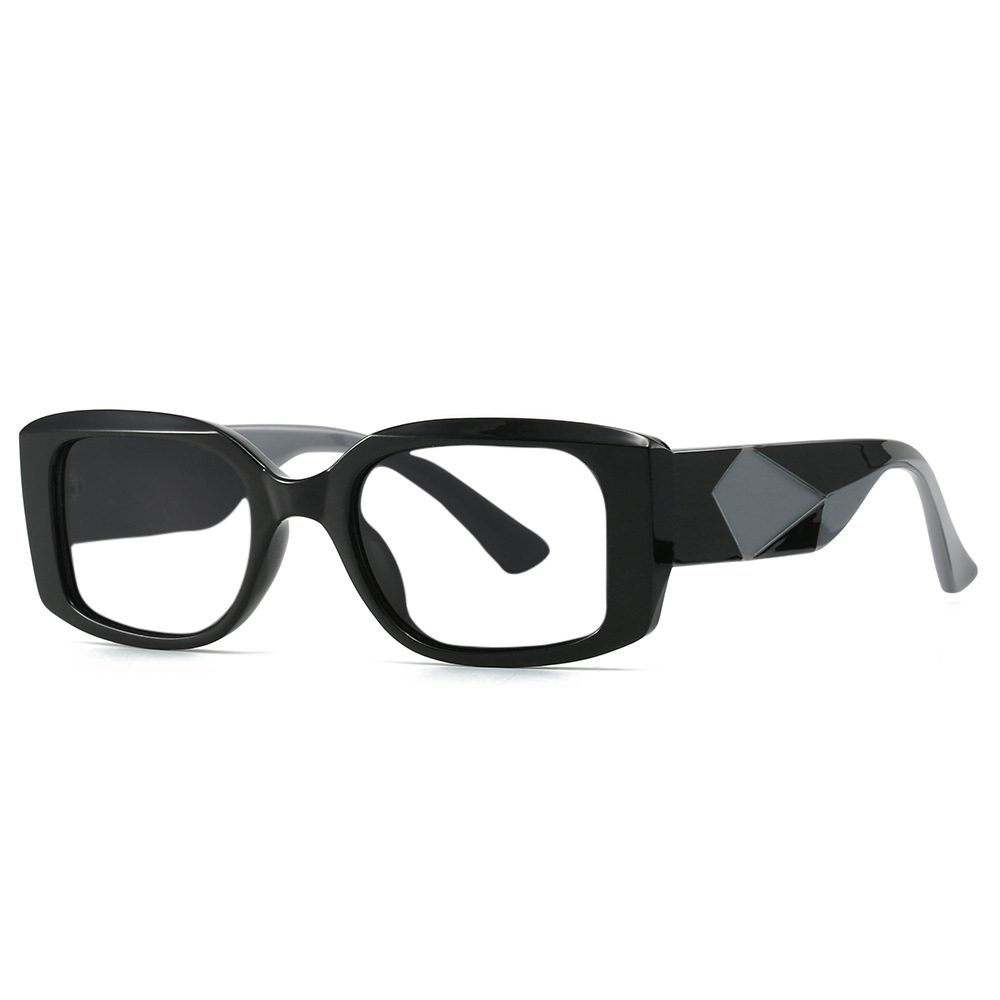
Before discovering the right solution, buying progressive bifocal reading glasses felt like tossing money into a void. I spent countless hours squinting, adjusting frames, and battling headaches. While I lost exact count, I estimate wasting hundreds of dollars and likely a full week of my life searching for decent glasses. Every cheap pair promised clarity but delivered only frustration. I deeply wish I had found the Mozaer P57472 Square Photochromic Reading Glasses much earlier.
My path was littered with poor decisions. I fell for quick fixes and rock-bottom prices, which led to uncomfortable vision, shoddy quality, and constant letdowns. This article shares my regrets and the profound relief I experienced upon finally finding a product that genuinely works.
My greatest regret was consistently choosing the cheapest option. I thought, "How different could they possibly be?" I couldn't have been more mistaken. I purchased numerous pairs of progressive bifocal reading glasses that barely lasted a month. Frames snapped, lenses scratched from the slightest contact, and hinges became loose. It was a relentless cycle of buying new glasses as the old ones fell apart.
I recall one pair where the so-called "photochromic" lenses hardly changed tint in sunlight. They were supposed to adapt but remained lightly tinted, straining my eyes even more outdoors. Another pair had such thin, flimsy frames that they broke the first time I dropped them from my nightstand. It felt like I was literally throwing money away, dollar by dollar, on items designed to fail quickly.
Verdict: Don't focus solely on the price tag. Extremely cheap often means extremely poor quality. Seek out signs of good materials and solid craftsmanship.
Many sellers of inexpensive progressive bifocal reading glasses make grand promises. They tout "wide viewing areas" or "seamless transitions." In reality, these claims were often deceptive. I bought glasses advertised to offer a smooth shift from distance to reading, but all I got was a tiny, blurry sweet spot. Hunting for that clear zone gave me headaches and dizziness. It was like peering through a keyhole rather than a window.
I also fell for comfort claims. "Lightweight design," they promised. Yet the cheap plastic dug into my nose or temples. Other glasses boasted "anti-glare" features, but annoying reflections persisted. It seemed every positive feature listed was either exaggerated or entirely absent. This dishonesty made me deeply skeptical about purchasing glasses online.
Verdict: Always be cautious of claims that sound too good to be true, especially for very low-priced items. Look for honest descriptions and proven, reliable features.