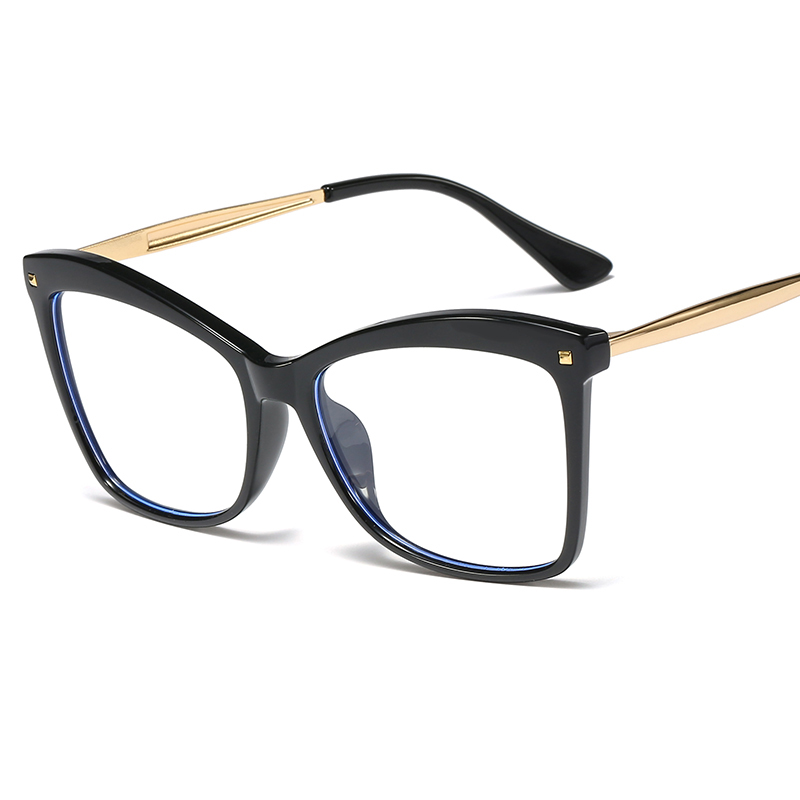
Have you ever bought something super cheap, thinking you got a great deal, only to find it was a complete waste of money? That's exactly how I felt about my past purchases of cheap prescription reading glasses. I've spent hundreds of dollars and countless hours trying to find a simple pair of readers that actually work and last. Looking back, I could have saved so much if I had just done things differently from the start. I wish I'd found the right solution earlier.
It's easy to fall for the low prices, especially online. You see a pair for a few dollars, think "Why not?", and click "buy." But that small purchase can quickly turn into a big headache and a lighter wallet. Let me tell you about the mistakes I made so you don't have to repeat them.
My first big regret was constantly buying reading glasses that were just... bad. I'd order a few pairs of cheap prescription reading glasses, thinking they would be good enough. The product photos looked fine, the price was a steal, but the reality was always disappointing.
I remember one pair where the frame felt like thin plastic that would snap if I looked at it funny. The lenses often had distortions, making my head hurt after only an hour of reading. Sometimes, the magnification felt off, even though I ordered my exact prescription. The screws would loosen within days, and the arms would become wobbly. I kept buying more, hoping the next cheap pair would be better, but it was a cycle of disappointment.
This "buy cheap, buy twice (or ten times)" mindset meant I spent far more in total than if I had just invested in one good pair from the start. The frames would break, the lenses would scratch easily, or they just wouldn't fit right. It felt like throwing money away, piece by piece.
Verdict: Don't let a low price tag trick you. Super cheap often means super low quality. Look for sturdy materials and clear lenses, even if it costs a little more.
Another big mistake was falling for pretty pictures and glowing descriptions online. So many websites make their cheap reading glasses look amazing. The product photos are often professional, showing shiny frames and clear lenses. The descriptions use words like "durable," "stylish," and "comfortable."
But when the glasses arrived, they looked nothing like the pictures. The "stylish" frames were dull and cheaply made. The "durable" hinges were flimsy. The colors were often different, or the finish looked tacky. It was a classic case of what you see is not what you get.
I learned the hard way that a good website and nice photos don't always mean a good product. It was frustrating to unbox glasses that looked fantastic on screen but felt like toys in my hand. I wasted time returning items or just settling for bad glasses because the return process was too much of a hassle.
Verdict: Always check real buyer photos and look for honest reviews. Don't just trust the fancy official pictures. Real customer pictures tell the true story.
My third regret was not taking the time to truly research what I was buying. I was always in a hurry. My old glasses broke, or I needed a new pair quickly, so I'd just click on the first cheap option I saw. I didn't compare brands, read through many reviews, or check for specific quality details.
I didn't think about things like hinge quality, lens coatings, or frame materials. I just focused on the price and the basic style. This rush led to many bad buys. If I had spent just a little more time understanding what makes good reading glasses, I could have avoided a lot of trouble.
Instead, I ended up with glasses that didn't fit my face well, slipped down my nose, or gave me headaches. These small issues added up and made using them annoying. I just wished I had known better and taken a few extra minutes to make a smart choice.
Verdict: Take your time. Research before you buy. Compare options, understand key features, and look for brands known for quality. It saves you trouble later.