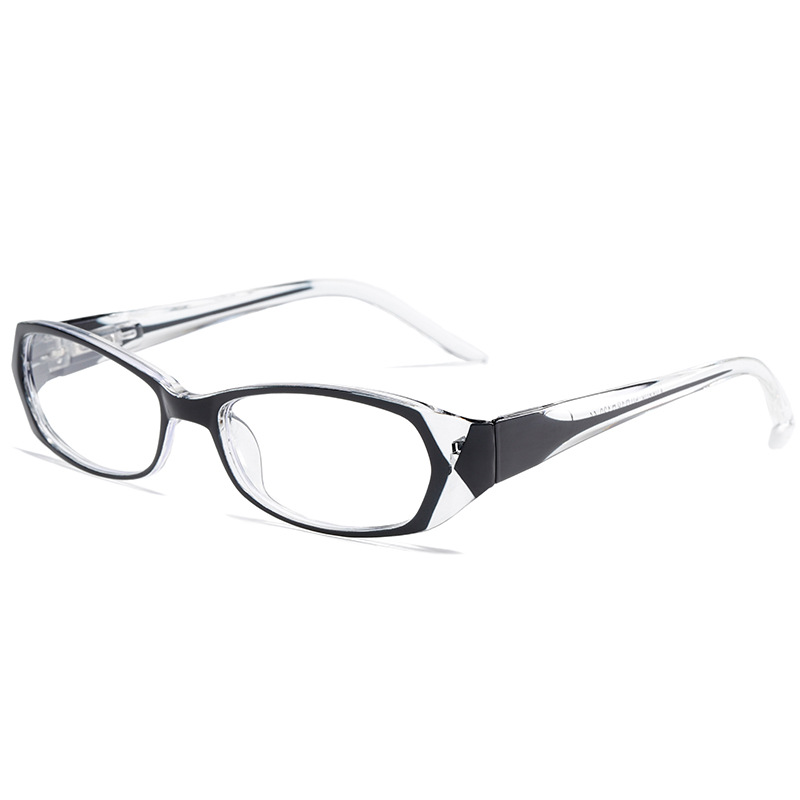
I once believed many common misconceptions about half-lens reading glasses. Perhaps you do as well. It's easy to be swayed by clever marketing or to assume all products are essentially identical. But here's what often goes unsaid—the real information that can protect both your vision and your budget. Don't make a purchase until you've read this.
A common belief is that if reading glasses look similar, they must perform similarly. This is far from accurate, particularly with half-lens styles. You might come across an extremely low-priced pair and think it's a bargain. However, a low cost often signals inferior materials, fragile hinges, and lenses that fail to provide clear vision. Such glasses can break after just a few uses or scratch with minimal effort, leaving you back at square one and needing a replacement.
Let's set the record straight: quality absolutely matters. Well-made glasses are built to endure. They feature sturdy frames and precision lenses. Consider the level of care some providers offer. For instance, Keri at LensCrafters was noted for going "above and beyond" to assist a customer in obtaining a new pair. This dedication reflects a commitment to lasting quality and customer satisfaction. When a brand prioritizes quality, you receive a product that performs reliably and maintains clear vision over time.
Verdict: Always seek out quality materials. Cheap glasses ultimately cost more because they need frequent replacing.
Some assume buying reading glasses is so straightforward that customer support is unnecessary. The thought is you simply pick a pair from the shelf and you're done. But what if you have a question about your vision? What if the fit isn't perfect, or you need guidance on diopter strength?
Here's the untold part: excellent customer service is a crucial component of a positive purchase, even for reading glasses. When questions or issues arise, a supportive team makes all the difference. For example, the staff at Drake Eye Care and Eyewear were thanked for their ability to "ease my mind about my eye." This demonstrates how expert, caring assistance can transform a potentially stressful experience into a positive one. A brand that invests in knowledgeable, helpful staff understands that a good product encompasses the entire customer journey.
Verdict: Opt for brands with robust customer support. Good service provides peace of mind and assistance when required.
This is a particularly risky myth, especially concerning presbyopia eyeglasses. Some individuals guess their diopter strength or select one that merely "feels okay." They might believe a slightly incorrect strength won't matter much or that a higher number is always better. This can lead to significant eye strain and headaches.
The truth is this: the correct diopter strength is essential for clear, comfortable vision. Wearing an improper strength forces your eyes to work harder, resulting in fatigue and discomfort. It's about achieving the "High Definition" vision highlighted in Mozaer's product descriptions. Getting it right means no squinting and no strain. While the provided reviews commend staff for their general eye care expertise, they underscore the value of professional guidance for eye health. Reputable brands ensure their products are clearly labeled with a range of diopter strengths (e.g., +1.0 to +4.0) so you can select your exact requirement.
Verdict: Have your eyes examined to determine your precise diopter needs. Never guess. Select glasses with clearly defined diopter options.
In our digital age, many of us spend hours daily in front of screens. Tablets, phones, and computers all emit blue light. Some dismiss blue light protection in reading glasses as a mere sales tactic, doubting its efficacy or scientific backing. They may choose cheaper half-lens glasses without this feature.